
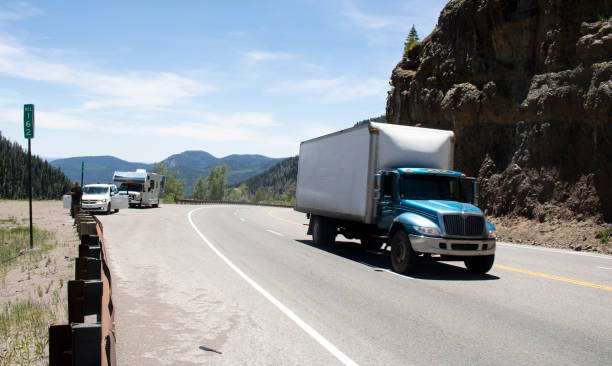
Driving heavy transport vehicles across Colorado mountain highways creates operational hazards for commercial carriers and independent owner-operators. Managing big rigs requires proper financial protection to handle highway collisions, severe winter storms, and unexpected cargo damage. Carrying commercial truck insurance keeps motor carriers aligned with state legal standards while shielding business revenue. The Insurance Stops provides targeted policy options designed to meet Colorado regulations and protect trucking investments across every route.
What Mandatory Protection Is Required for Colorado Motor Carriers?
Every commercial truck on Colorado roads needs primary liability coverage. Primary liability pays for third-party bodily injury and property damage caused by an at-fault accident, including damaged vehicles, driver injuries, and public infrastructure repairs.
Interstate carriers must also meet Federal Motor Carrier Safety Administration (FMCSA) minimums. For general freight, that starts at $750,000, and it rises to $1 million or $5 million for certain hazardous materials. Letting coverage fall below the required limits can lead to fines and trucks being taken off the road. Working with a dedicated provider keeps policy limits compliant with local and federal rules.
Need reliable coverage to protect your fleet from unexpected road hazards and repairs?
Contact Us: 719-636-3340
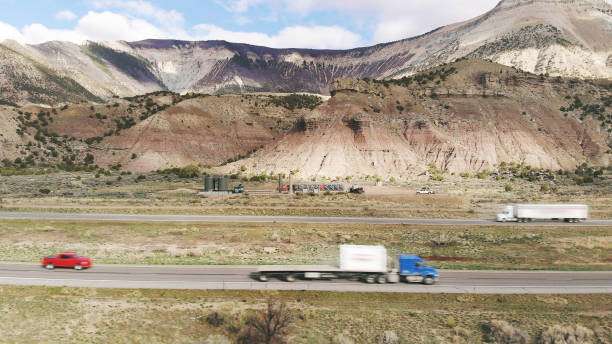
How Does Physical Damage Coverage Protect Heavy Vehicles?
Physical damage protection covers two loss categories:
- Collision Insurance: Pays for structural vehicle repairs after crashes with other vehicles, road barriers, or trees.
- Comprehensive Insurance: Covers non-collision losses including hail strikes, rockslides, theft, and fire.
Commercial trucks generate your primary business income. Uncovered repair expenses or total equipment losses cause immediate operational disruptions. Selecting appropriate physical damage deductibles helps you repair equipment fast without draining business cash accounts.
Why Is Motor Truck Cargo Coverage Essential for Freight Operations?
Hauling commercial goods across long distances exposes freight to transit accidents and loss risks. Motor truck cargo insurance covers financial liabilities when transported products suffer damage before reaching destination points. Policies reimburse losses caused by highway accidents, trailer fires, and truck stop cargo theft.
Different freight types require specialized policy add-ons. Refrigerated transport units need reefer breakdown coverage to guard against spoilage from sudden cooling system failures. Flatbed haulers and hazardous material carriers must match cargo policy limits to the maximum cash value of transported loads.
How Can Optional Policies Fill Critical Risk Gaps?
Basic liability and cargo insurance leave specific daily risks open. Commercial fleets use policy add-ons to broaden protection for different risks:
- Uninsured Motorist Protection: Uninsured drivers cause crashes. This coverage pays for driver injuries and vehicle repairs.
- General Liability Insurance: General liability insurance covers slip-and-fall injuries. Property damage also occurs at loading docks, so the policy covers both risks.
- Medical Payments Coverage: Drivers and passengers get hurt in crashes. The policy pays their direct medical bills.
Adding extra coverage prevents sudden money losses from off-road claims. Multi-layered plans protect drivers, equipment, and daily operations.
What Factors Impact Coverage Rates in the Centennial State?
Insurance underwriters analyze several operational variables when calculating premiums:
- Driver Experience and Safety Records: Operators with clean driving records qualify for lower policy rates than drivers with past traffic violations.
- Operating Radius and Routes: Local delivery routes carry lower risk profiles than long-haul routes crossing severe terrain.
- Cargo Classification and Hazard Level: Hauling hazardous chemicals carries higher liability risks than hauling dry goods.
- Vehicle Type and Fleet Size: Heavy specialized trucks and large fleets require higher coverage limits than single light-duty trucks.
Thus, securing comprehensive commercial coverage maintains active operations while managing risk exposure.
Ready to protect your commercial vehicles with state-compliant liability coverage?
Get in Touch
Securing Complete Coverage for Commercial Fleets
Operating a commercial transport business requires balancing compliance, driver safety, and asset protection. Maintaining complete policy coverage prevents unexpected road accidents or weather losses from disrupting fleet operations. Motor carriers needing regulatory filings or policy updates can simplify coverage selection through professional insurance services. For direct assistance with commercial coverage requirements, The Insurance Stops delivers policy options designed to keep commercial fleets fully covered across every route.
Frequently Asked Questions
- What does commercial truck insurance cover in Colorado?
Commercial truck insurance covers primary liability for third-party bodily injury and property damage from vehicle accidents. Policies repair physical trucks after crashes, protect cargo values during transit, and pay driver medical bills. The Insurance Stops builds tailored policies ensuring local motor carriers meet state financial responsibility standards.
- How do limits impact commercial truck insurance in Colorado Springs?
Applicable FMCSA and state standards dictate primary liability limits for commercial motor vehicles on public roads. Securing commercial truck insurance in Colorado Springs satisfies compulsory financial responsibility requirements while protecting business capital against major collision claims. The Insurance Stops assists motor carriers with compliance filings to avoid regulatory penalties.
- Who needs commercial truck insurance in Colorado Springs?
Owner-operators, freight carriers, towing companies, and local delivery services require truck insurance in Colorado Springs. Commercial transport operations face unique road risks that auto policies exclude entirely. Carrying specialized commercial coverage protects heavy machinery, customer cargo, and business operations against unexpected liability claims.
- Which regulations govern Colorado insurance requirements for commercial fleets?
Colorado statutes and FMCSA regulations define strict bodily injury and property damage limits that motor carriers must maintain continuously. Meeting Colorado insurance requirements protects commercial transport businesses against severe legal liabilities following highway accidents. Fleet operators must hold active coverage meeting mandatory financial responsibility thresholds across all operating vehicles.


